Commercial Lot Clearing in Atlanta, GA
Commercial lot clearing services involve the removal of trees, brush, debris, and other obstructions to prepare land for development, construction, or landscaping projects. These services are suitable for a variety of projects, including new building sites, parking lots, retail developments, and industrial facilities. Property owners typically want to understand the scope of clearing needed, the types of vegetation and materials that will be removed, and any potential impact on the land’s topography or drainage. Clarifying these details helps ensure the lot is properly prepared for its intended use and that the clearing process aligns with local regulations and future development plans.
Before requesting commercial lot clearing, property owners should consider factors such as the size and condition of the land, access points for equipment, and any permits that may be required. It’s also helpful to understand the extent of debris removal and whether additional services, like grading or stump grinding, might be necessary afterward. Clear communication about project goals and land features can facilitate a smoother clearing process and ensure the property is ready for its next phase of development.
Many property owners in Atlanta, GA look into Commercial Lot Clearing for repairs, replacements, upgrades, and appearance-related improvements.
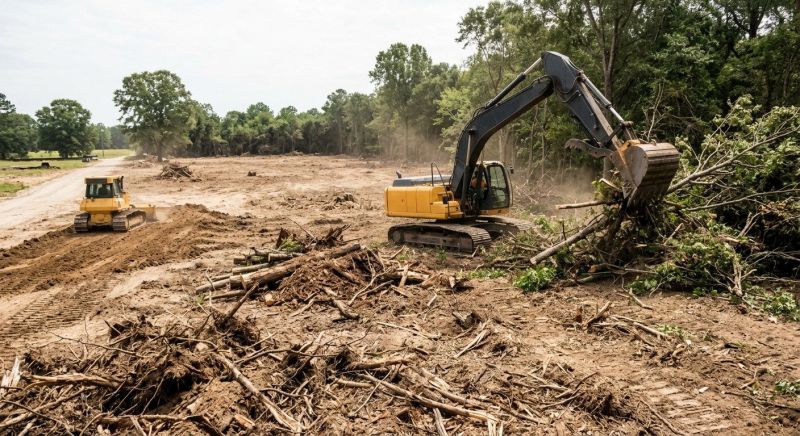
Site Preparation For Development
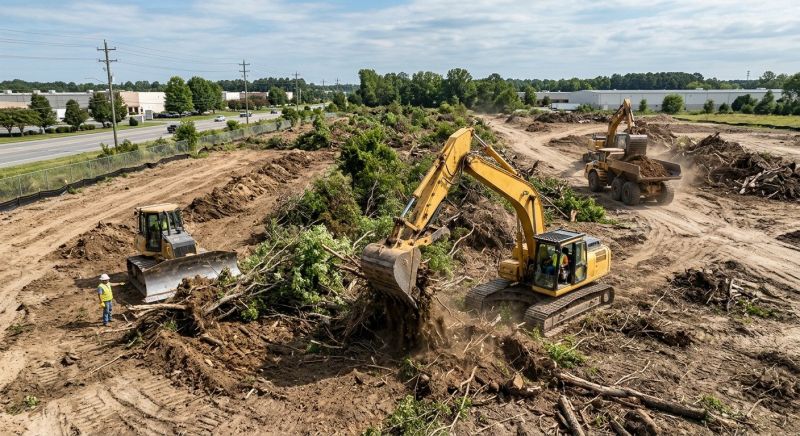
Clearing commercial lots prepares land for construction projects and new developments.
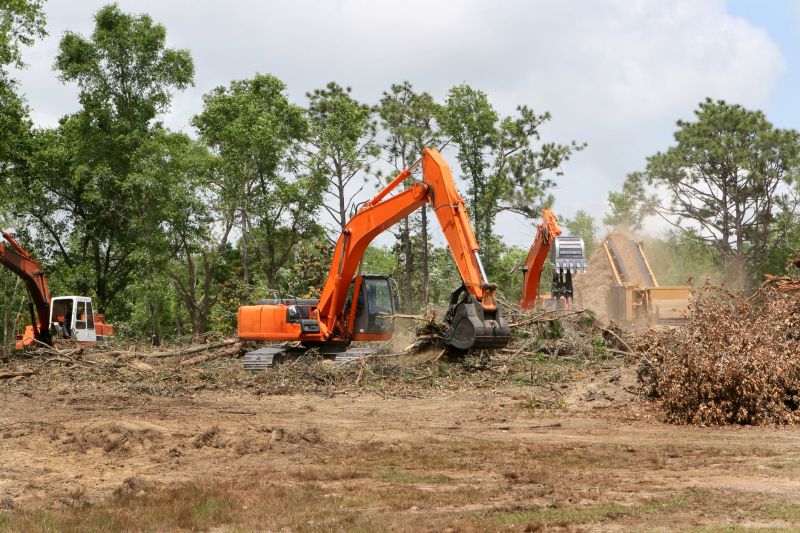
Vegetation And Debris Removal
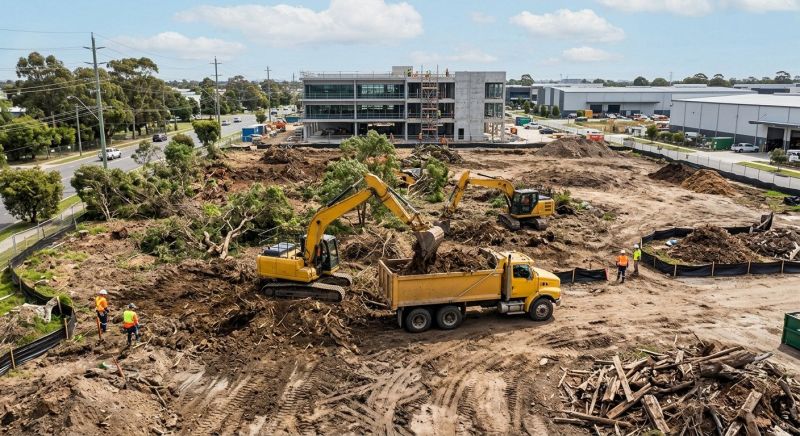
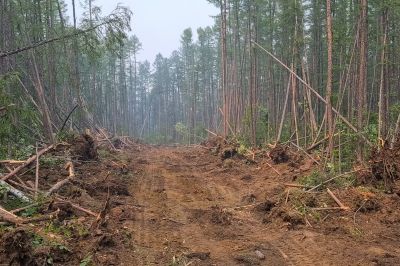
Removing trees, shrubs, and debris creates a clean, accessible space for building or landscaping.
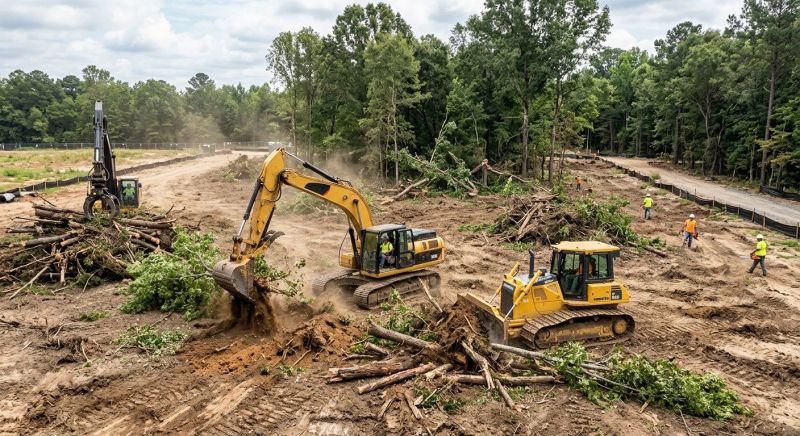
Land Clearing For Business Expansion
Preparing vacant lots in atlanta for commercial expansion or new property investments.
Commercial Lot Clearing in Atlanta, GA
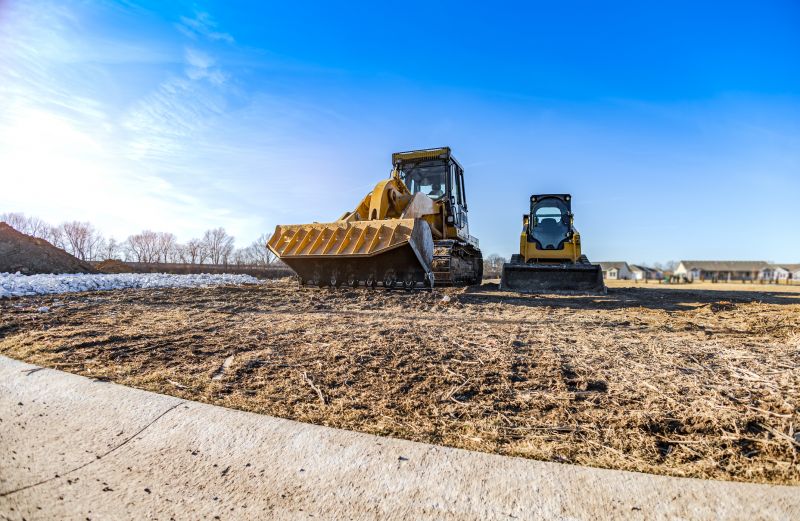
Commercial lot clearing services involve the removal of trees, brush, debris, and other obstructions to prepare land for development, construction, or landscaping projects. These services are suitable for a variety of projects, including new building sites, parking lots, retail developments, and industrial facilities. Property owners typically want to understand the scope of clearing needed, the types of vegetation and materials that will be removed, and any potential impact on the land’s topography or drainage. Clarifying these details helps ensure the lot is properly prepared for its intended use and that the clearing process aligns with local regulations and future development plans.
Before requesting commercial lot clearing, property owners should consider factors such as the size and condition of the land, access points for equipment, and any permits that may be required. It’s also helpful to understand the extent of debris removal and whether additional services, like grading or stump grinding, might be necessary afterward. Clear communication about project goals and land features can facilitate a smoother clearing process and ensure the property is ready for its next phase of development.
Many property owners in Atlanta, GA look into Commercial Lot Clearing for repairs, replacements, upgrades, and appearance-related improvements.
Common Commercial Lot Clearing Jobs
Commercial Lot Clearing Questions
What types of commercial lots require clearing services? Clearing services are often needed for lots intended for development, landscaping, or construction projects to remove trees, shrubs, and debris.
How is the debris managed after clearing? Debris can be chipped, hauled away, or left in designated areas depending on the project requirements and local regulations.
What equipment is used for commercial lot clearing? Heavy machinery such as bulldozers, excavators, and stump grinders are commonly used to efficiently clear large areas.
Are permits needed for lot clearing projects? Permit requirements vary by location and project scope; it’s important to check local regulations before starting work.
Request Commercial Lot Clearing in Atlanta, GA
Use the quote form on this page to share the basics of your project and request more information for the type of work you need.