Land Leveling in Houston, TX
Land leveling services involve adjusting the elevation of a property’s surface to create a flat, even terrain. This process is commonly used for preparing land for construction projects, establishing a level foundation for lawns or gardens, or improving drainage across a property. Projects can range from small residential yard adjustments to larger-scale terrain modifications, ensuring a smooth and stable surface that meets the specific needs of homeowners and property owners.
Before requesting land leveling, property owners should consider the current condition of the terrain, including any existing slopes or uneven spots, as well as the intended use of the land. It’s important to understand the extent of grading required, the type of soil or material involved, and any local regulations or drainage considerations that may influence the project. Clear communication about these factors can help ensure the land is prepared effectively for its future purpose.
Many property owners in Houston, TX look into Land Leveling for repairs, replacements, upgrades, and appearance-related improvements.
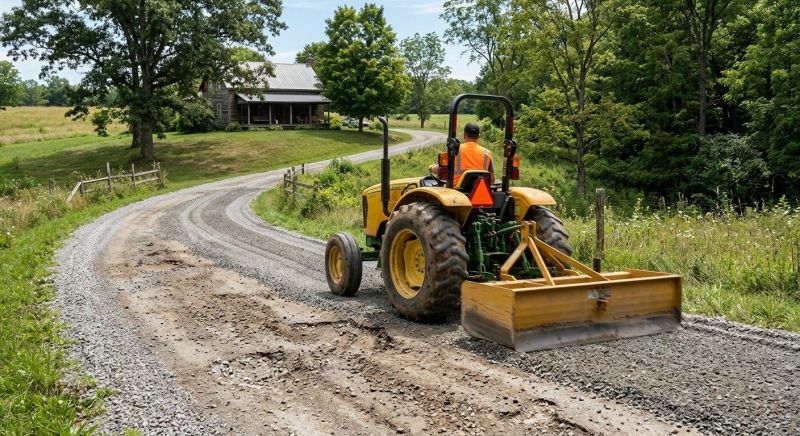
Land Preparation For Construction
Proper land leveling creates a stable foundation for building projects in houston and surrounding areas.
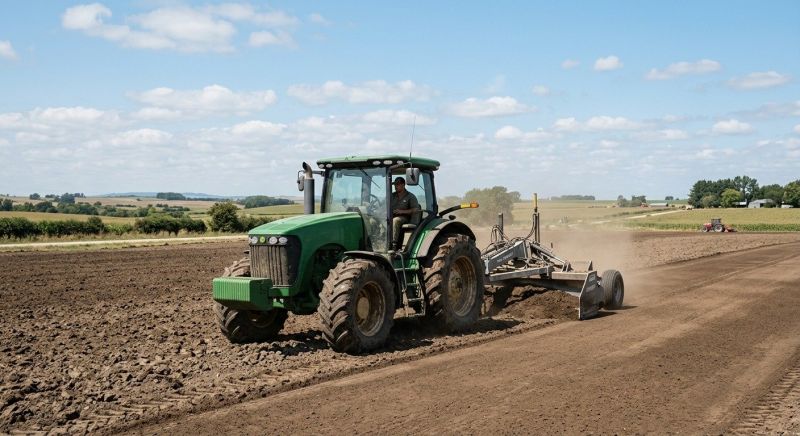
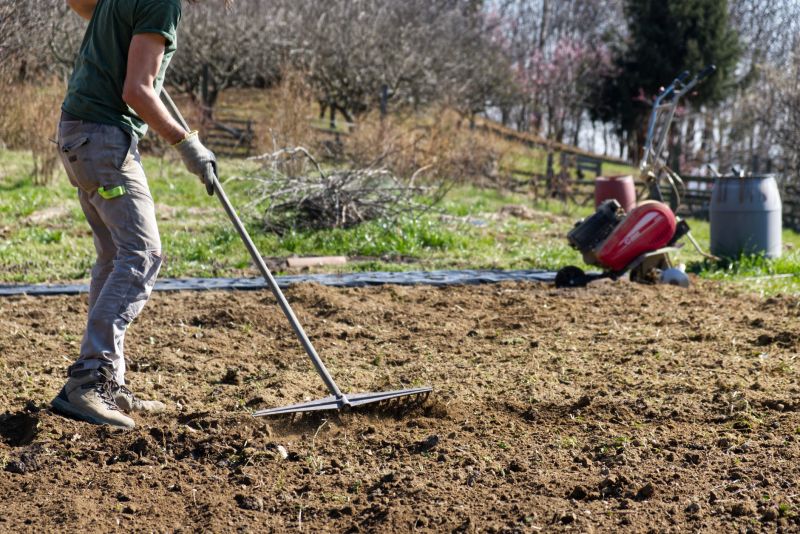
Agricultural And Lawn Maintenance
Leveling the land helps improve drainage and promotes healthy growth for gardens and farms.
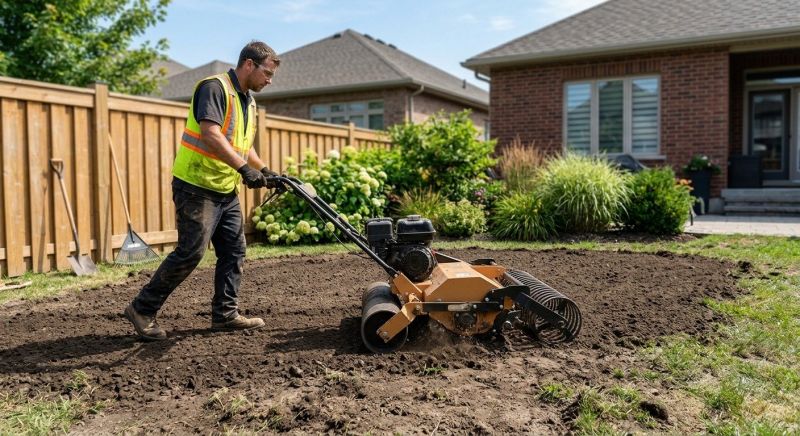
Drainage And Erosion Control
Land leveling reduces water runoff issues and prevents soil erosion on residential properties.
Land Leveling in Houston, TX
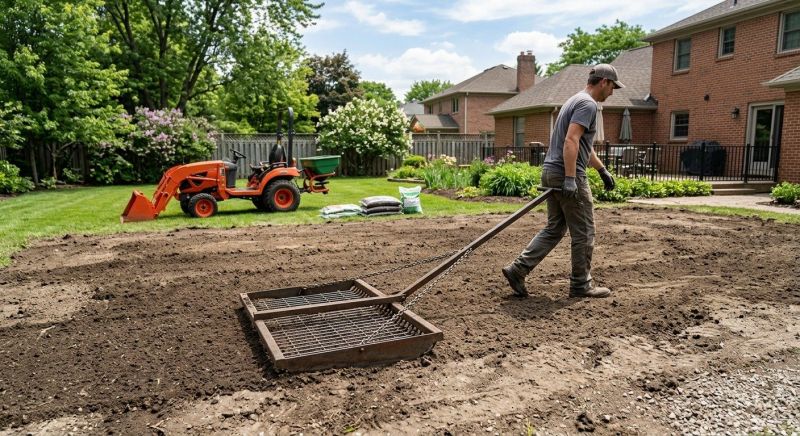
Land leveling services involve adjusting the elevation of a property’s surface to create a flat, even terrain. This process is commonly used for preparing land for construction projects, establishing a level foundation for lawns or gardens, or improving drainage across a property. Projects can range from small residential yard adjustments to larger-scale terrain modifications, ensuring a smooth and stable surface that meets the specific needs of homeowners and property owners.
Before requesting land leveling, property owners should consider the current condition of the terrain, including any existing slopes or uneven spots, as well as the intended use of the land. It’s important to understand the extent of grading required, the type of soil or material involved, and any local regulations or drainage considerations that may influence the project. Clear communication about these factors can help ensure the land is prepared effectively for its future purpose.
Many property owners in Houston, TX look into Land Leveling for repairs, replacements, upgrades, and appearance-related improvements.
Common Land Leveling Jobs
Land leveling - creates a smooth, even surface ideal for construction or landscaping projects.
Agricultural land leveling - improves water distribution and crop growth by ensuring uniform soil height.
Construction site preparation - prepares the ground for building foundations by removing high spots and filling low areas.
Yard grading - enhances drainage and prevents water pooling around homes and structures.
Driveway and lawn leveling - provides a stable base for paving or planting, reducing future settling issues.
Erosion control leveling - stabilizes slopes and prevents soil loss in areas prone to erosion.
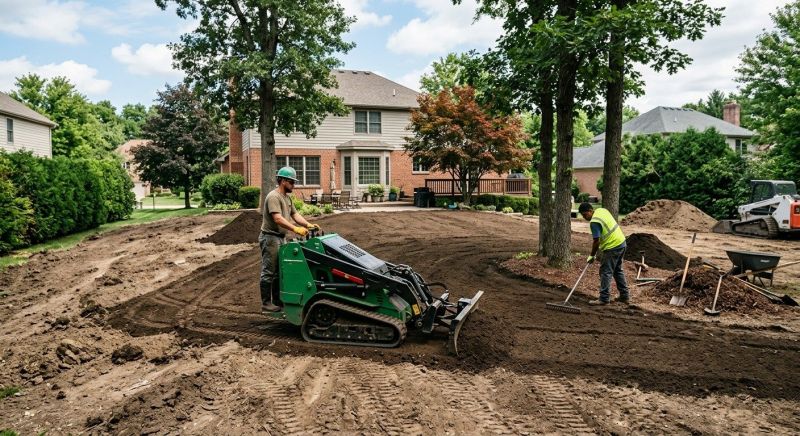
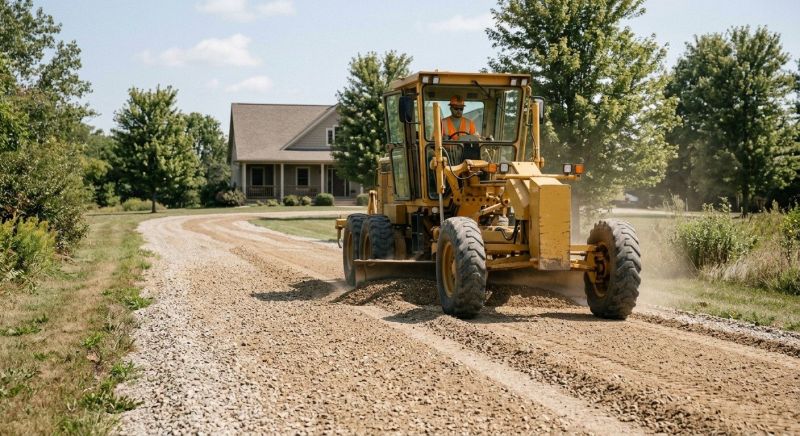
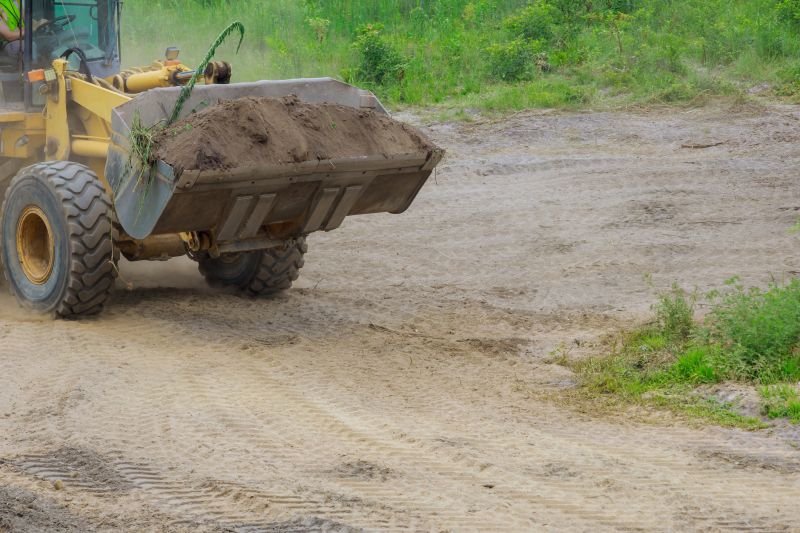
Land Leveling Questions
What is land leveling? Land leveling involves smoothing and adjusting the ground surface to create a flat, even area suitable for construction, landscaping, or agricultural use.
When is land leveling needed? Land leveling is often required before installing lawns, driveways, or irrigation systems, or to improve drainage on uneven terrain.
How does land leveling benefit property owners? Proper leveling helps prevent water pooling, reduces erosion, and creates a stable foundation for future projects.
What types of projects typically require land leveling? Projects such as building foundations, garden installations, sports fields, and agricultural plots commonly involve land leveling.
Request Land Leveling in Houston, TX
Use the quote form on this page to share the basics of your project and request more information for the type of work you need.